
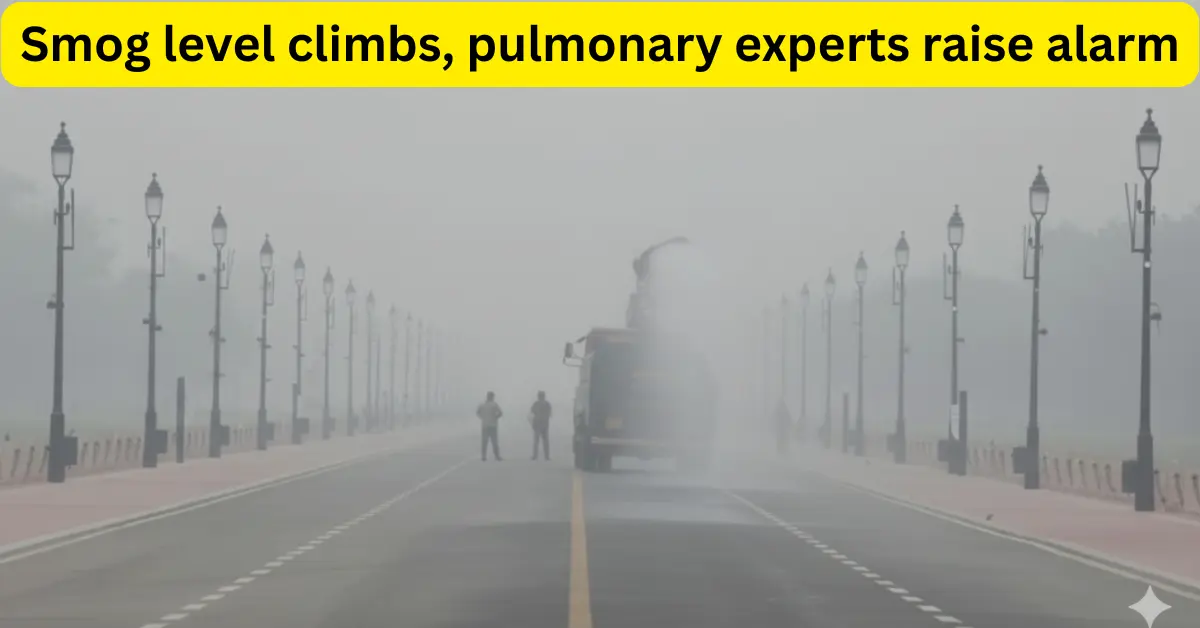
A sharp warning has sounded for residents of the Delhi-NCR region due to Delhi pollution : if you suffer from ongoing lung problems, it may be time to consider temporarily relocating. The city’s striking air deterioration has prompted this advice from one of India’s veteran lung specialists.
Smog level climbs; pulmonary experts raise an alarm
Dr Gopi Chand Khilnani, Chairman of the PSRI Institute of Pulmonary, Critical Care and Sleep Medicine, says that as the 24‐hour Air Quality Index (AQI) crossed into the “Very Poor” (301-400) band, hospitals have seen a surge in respiratory distress among patients with pre-existing lung disease. According to him, indoor or outdoor air pollution is now responsible for about half of all chronic obstructive pulmonary disease (COPD) cases—up from earlier when smoking was almost always the trigger.
Why the advice to leave is serious due to Delhi pollution
The specialist spelled it plainly: “If you can afford it, leave Delhi for 6-8 weeks.” He emphasised that particles like PM2.5 (tiny airborne particles under 2.5 microns in size) can plunge into the lung’s alveoli, weaken immunity, reduce lung capacity and may even travel into the bloodstream. For people whose lungs are already compromised, this is a high-risk situation.
Practical protections and what readers can do
Not everyone can pick up and leave. For those staying behind, Dr Khilnani recommends:
-
Use a high-quality air-purifier in a closed room, and keep the device running continuously with doors and windows shut.
-
Avoid outdoor exercise during early mornings or late evenings when smog tends to accumulate.
-
Pay attention to symptoms: new or worsening wheeze, shortness of breath, chest tightness or eye/ throat irritation call for medical review.
-
Children, the elderly and anyone with heart or lung disease should be especially cautious, as hospitals in the NCR region report rising admissions for respiratory issues.
As Delhi enters its annual smog cycle and Delhi pollution rises , this year’s early surge and stern medical advice serve as a wake-up call. Protecting respiratory health isn’t just about masks—it’s about timely action and awareness.
Also Read:
- Diwali Sparkle Safely: Eco-Friendly Prep, Firecracker Bans, and Festive Tips for 2025
- Did Delhi’s Green Diwali 2025 Really Work? Air Quality Data Reveals the Truth
- PM Modi Spends Diwali Aboard INS Vikrant, Lauds Armed Forces’ Coordination in Operation Sindoor
- Mahindra Thar 2025 Facelift Spotted: First Images Reveal Bold Upgrades
- Unleash Epic Power: Why the Xiaomi 15 Pro is Your Next Must-Have Smartphone
- Xiaomi 17 Series Revolution: Flagship Firepower at Unbeatable Prices
- OPPO Reno 15 Pro 5G: Slim Style Meets Serious Performance Magic
- Realme P4 Pro 5G: The Budget Beast Crushing Expectations in 2025